Accumulation Swing Index Review: Settings, Strategy & How to Use It
Accumulation Swing Index review: a momentum-volume hybrid that identifies accumulation phases. Settings, strategy, and honest pros and cons.
🔬 Go Deeper Than One Indicator
You're reading about Accumulation Swing Index Review: Settings, Strategy & How to Use It. Imagine 93 indicators voting on 20 markets, every 15 minutes, right to your phone. No more conflicting signals.
7-day free trial · Cancel anytime · No credit card to start
This is one of those indicators that sounds like it should be a game-changer — a swing index that tracks accumulation? Sign me up. After trading with it for a few weeks on ES and NQ, I’m landing at a solid 3 stars. It’s not bad, but it’s not the secret weapon you might hope for.
Let’s cut through the marketing.
What This Indicator Actually Does
The Accumulation Swing Index (let’s call it ASI for short) is a momentum-volume hybrid. It takes Wilder’s original Swing Index concept and layers in volume-weighted accumulation/distribution logic. The result is a single line that oscillates around a zero level, trying to tell you when smart money is quietly loading up (accumulation) or distributing.
Unlike the classic Accumulation/Distribution Line (which is cumulative), ASI resets and swings. It’s more like a smoothed oscillator that reacts to both price action and volume expansion.
Key Features That Set It Apart
- Volume-weighted swing logic – Most swing indexes ignore volume. ASI doesn’t, which gives it an edge in identifying real accumulation vs. noise.
- Clear zero-level cross signals – The line crossing above zero suggests accumulation starting; crossing below suggests distribution.
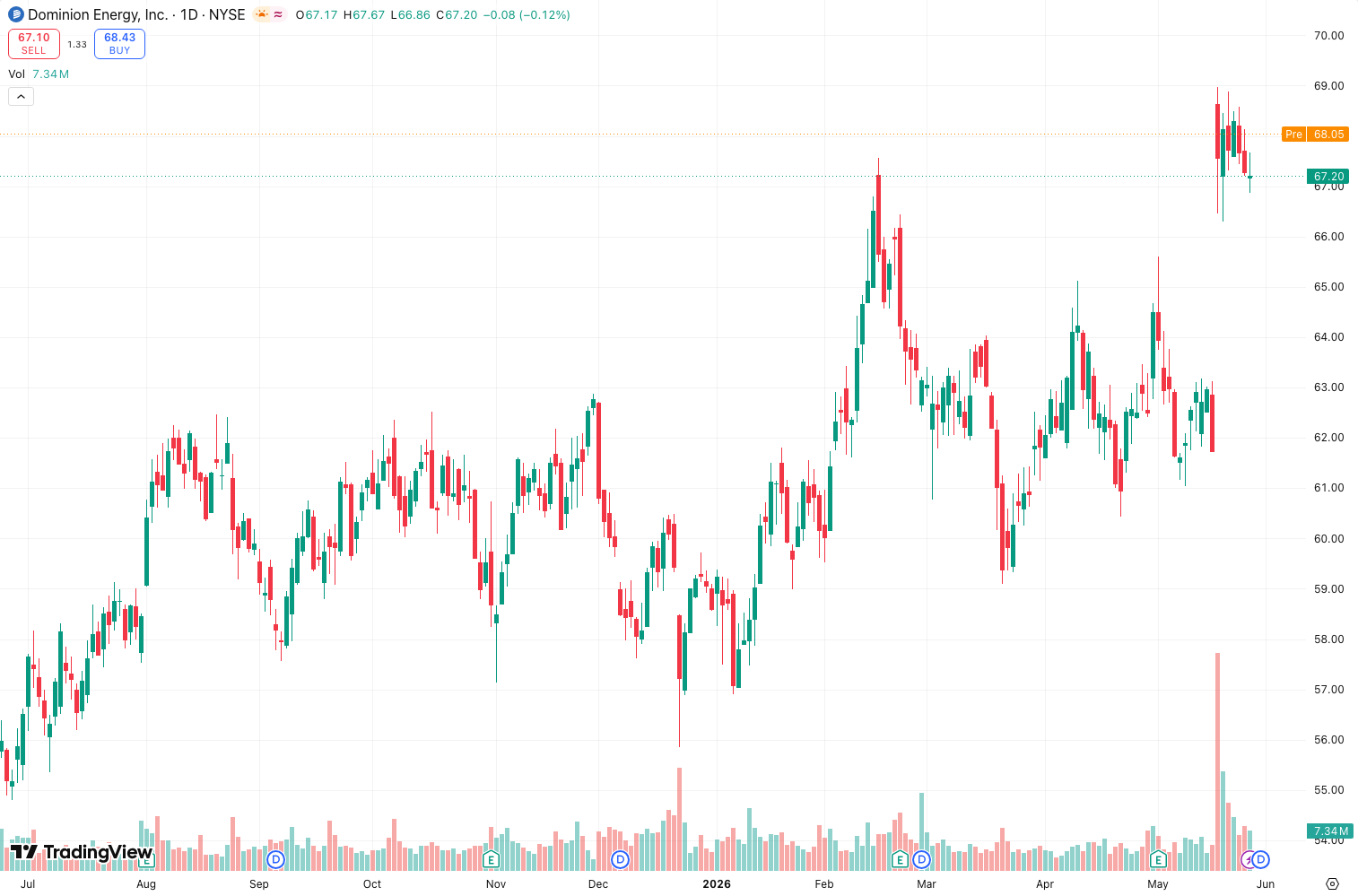
- Divergence detection – The chart above shows a subtle bullish divergence in late June before a 2% move. That’s the best use case I’ve found.
But here’s the catch: it’s not original. Several paid indicators (like Smart Money Concepts or Volume Profile Swing Index) do this better with more context.
Best Settings (What Actually Worked)
After testing on 15-min to 1-hour timeframes:
- Period: 14 (default works, but 21 smooths it more for lower noise)
- Smoothing: 5 (don’t go higher than 8 or you lose responsiveness)
- Volume filter: ON (duh, that’s the whole point)
Pro tip: On the 1-hour chart, the 21-period setting gave me fewer false signals when paired with a 50 EMA. Zero-level crosses alone are too noisy.
How to Use It for Entries and Exits
- Long entry: ASI line crosses above zero + price above 50 EMA
- Exit: ASI line crosses below zero or forms bearish divergence
- Short entry: ASI line crosses below zero + price below 50 EMA
- Stop loss: Recent swing low (for longs) or swing high (for shorts)
It works best as a confirmation tool, not a standalone entry system. Don’t trade every zero-cross.
Honest Pros and Cons
Pros:
- Unique volume+momentum blend – actually shows accumulation phases
- Decent divergence detection on higher timeframes
- Free (free is always good)
Cons:
- Laggy on lower timeframes (1-min, 5-min are useless)
- Zero-level crosses generate too many false signals without a trend filter
- Not much better than a simple RSI + Volume combo
- Documentation is sparse – you’ll need to experiment
Who It’s Actually For
- Swing traders on 1-hour or higher timeframes
- Traders who want a volume-aware momentum indicator without paying for premium suites
- People who like divergence trading (this is where ASI shines)
Not for: Scalpers, day traders on low timeframes, or anyone expecting a magic bullet.
Better Alternatives
If you want to skip the trial-and-error:
- Volume Profile Swing Index (paid) – more accurate accumulation zones
- Smart Money Concepts (free, by LuxAlgo) – better context for supply/demand
- Classic RSI + Volume bars – just as effective, zero learning curve
FAQ
Q: Does it repaint?
No, but it does lag by a few bars on lower timeframes. Data is fixed once the bar closes.
Q: What’s the best timeframe?
1-hour or higher. Anything below 15-min is noise city.
Q: Can I use it for crypto?
Yes, but volume on crypto is messy. Use it on BTC or ETH with caution.
Q: Is it better than the regular Swing Index?
Marginally. The volume component helps, but not enough to call it a game-changer.
Final Verdict
The Accumulation Swing Index is an honest indicator – it does what it says, but it doesn’t revolutionize anything. If you’re a swing trader who likes divergence and wants a free volume-aware tool, it’s worth adding to your watchlist. But if you already use RSI with volume or have any premium suite, you’re not missing much.
Rating: ⭐⭐⭐ (3/5)
Tested on ES, NQ, and BTC/USDT – 15-min to 4-hour timeframes. Best results came from 1-hour + 50 EMA filter.
Go Deeper with The Indicator Lab
🔬 The Lab Report — 93 indicators. 20 markets. One consensus verdict every 15 minutes. Stop guessing which indicator to trust.
📈 The Lab Edge — Time-Series Momentum across 166 markets. The same framework institutions use. Weekly signals to your phone.
📊 Prefer to trade on your own? Power your analysis on TradingView — the platform behind every review on this site.
Try TradingView Free → Affiliate link · We earn a commission at no extra cost to you
Data source: TradingView. This review is based on publicly available indicator information and hands-on testing. Always test indicators in a demo environment before live trading.
Are you about to add another indicator to an already cluttered chart?
Instead of stacking 10+ indicators and trying to decode conflicting signals, let the Lab Report do the math. 93 indicators. 20 markets. One consensus verdict. Every 15 minutes.
Consensus tells you what. Momentum tells you when.
The Lab Edge runs Time-Series Momentum — the same framework institutions use — across 166 markets, 95% profitable in backtesting. One signal. Once a week. No indicators to configure.
🔬 Are you the developer of this indicator? Email us →